World Cup 2026 awards: Golden Ball, Golden Boot and Golden Glove
FifaxEditor
2026-07-24
The complete main awards list
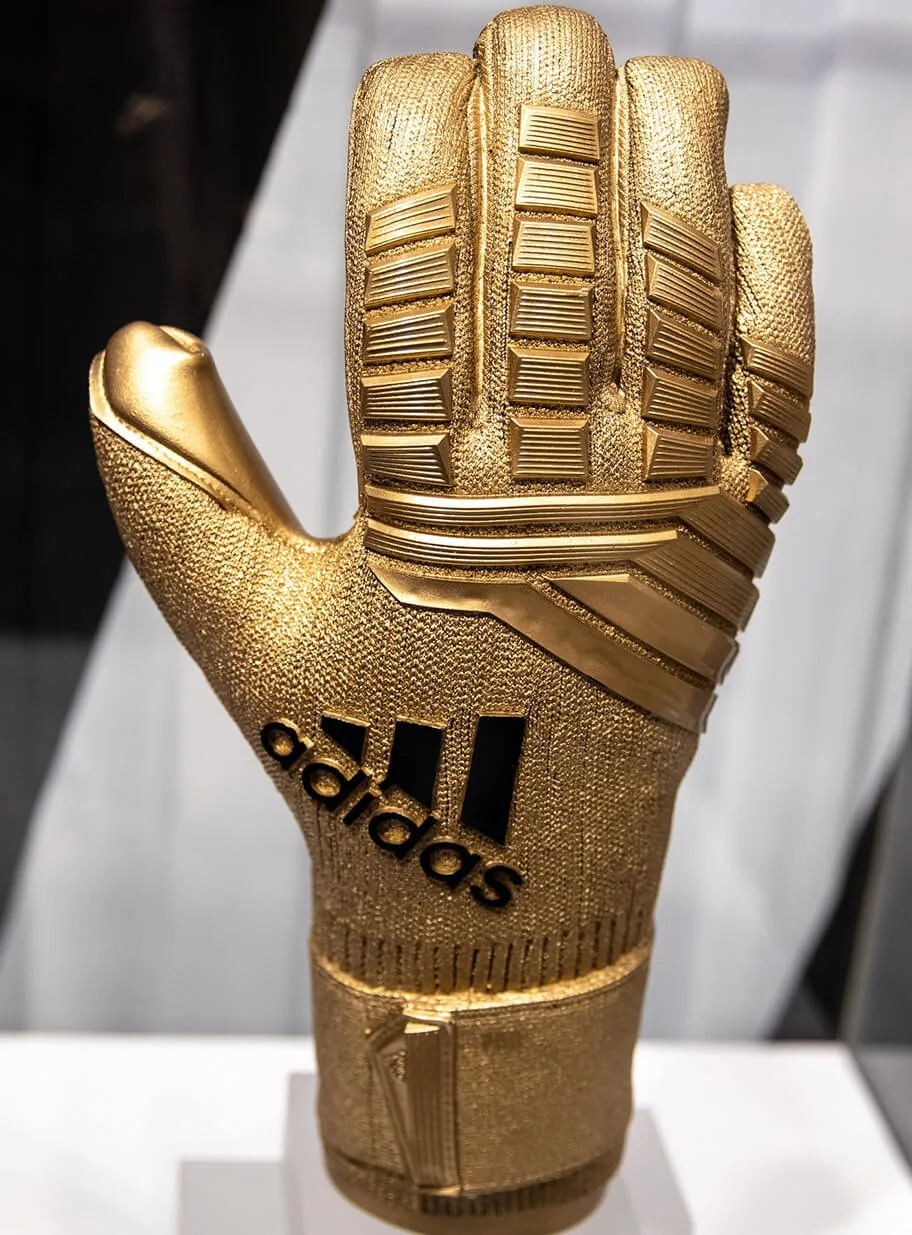
Rodri, Lionel Messi and Kylian Mbappe received the Golden, Silver and Bronze Balls for overall tournament performance. Mbappe, Messi and Jude Bellingham took the Golden, Silver and Bronze Boots in the scoring classification. Unai Simon won the Golden Glove, Pau Cubarsi was named Best Young Player, and the Netherlands received the Fair Play Trophy. These awards should be read as separate categories rather than one combined ranking. The Ball awards evaluate overall influence, the Boot awards begin with goals, and the goalkeeper, young-player and fair-play prizes apply different criteria again. A player can therefore finish high in one category without appearing in another. Listing the complete set together is useful because it captures the tournament from several angles: creative and tactical control, finishing output, goalkeeping, emerging talent and team conduct.
Mbappe won the Golden Boot with 10 goals
Mbappe scored 10 goals in eight matches, an exceptional return even though France finished fourth. The Golden Boot is primarily a production award: goals scored are the first measure, followed by the competition's published tie-break criteria when players finish level. That makes it different from the Golden Ball, where overall performance across the tournament is assessed. Mbappe's total shows how an individual attacker can remain decisive even when his team does not reach the final. It also needs context. Goals can arrive in different match states, against different defensive approaches and with different levels of pressure. A complete review should therefore consider not only the final total but also when the goals were scored, whether they changed knockout matches and how the player's movement created chances for teammates. The award confirms Mbappe as the tournament's leading scorer; it does not by itself rank every aspect of his performance above every other player.
Simon, Cubarsi and Spain's defence
Unai Simon kept seven clean sheets in eight matches and conceded only against Belgium, giving Spain a reliable last line behind an already controlled defensive structure. A goalkeeper's clean-sheet total is never an individual statistic alone: compact spacing, pressure on the ball and protection of central areas all reduce the quality of shots faced. Simon still had to provide calm distribution, claim dangerous deliveries and respond when opponents broke through. Cubarsi's Best Young Player award reflected a different part of the same defensive success. The young centre-back had to defend large spaces when Spain pushed forward, remain composed enough to circulate possession and make decisions under knockout pressure. Together, the two awards show why Spain's record cannot be explained only by attacking dominance. Their path to the title depended on preventing opponents from building momentum and on treating every defensive action as the starting point of the next possession.
What each World Cup award measures
The awards answer different questions. The Golden Ball recognises the best all-round tournament performance. The Golden Boot begins with goals scored and uses competition tie-break criteria when players finish level. The Golden Glove focuses on goalkeeping, the Young Player award highlights an eligible emerging talent, and the Fair Play Trophy recognises team conduct. They should not be read as one universal ranking. A goalkeeper can dominate the Golden Glove discussion without appearing in the scoring table, and a prolific forward can win the Golden Boot even when another player is judged to have had the strongest overall tournament. Understanding the criteria prevents misleading comparisons and also explains why several players from the same team can be honoured for different contributions. The awards together form a structured summary of the competition rather than a single ordered list of its best participants.
The records and context behind the winners
Mbappe scored ten goals in eight matches despite France finishing fourth, demonstrating that the leading scorer does not need to come from a finalist. Simon's seven clean sheets surpassed the previous single-edition benchmark of five, and his World Cup run without conceding reached 649 minutes before Belgium scored. Cubarsi contributed to six clean sheets before the final and ended the tournament as a central member of a defence that conceded only once. Those records are connected to team context. Mbappe's output depended on France creating enough high-quality attacks across eight games, while Simon and Cubarsi benefited from Spain's control but also had to execute their own actions under pressure. The numbers are most informative when used to explain performance: they identify unusual production and consistency, then invite a closer look at the tactical conditions behind them.
Sources
This independent article is based on FIFA's official coverage. Image rights remain with their respective owners; verify permission and attribution before reuse.