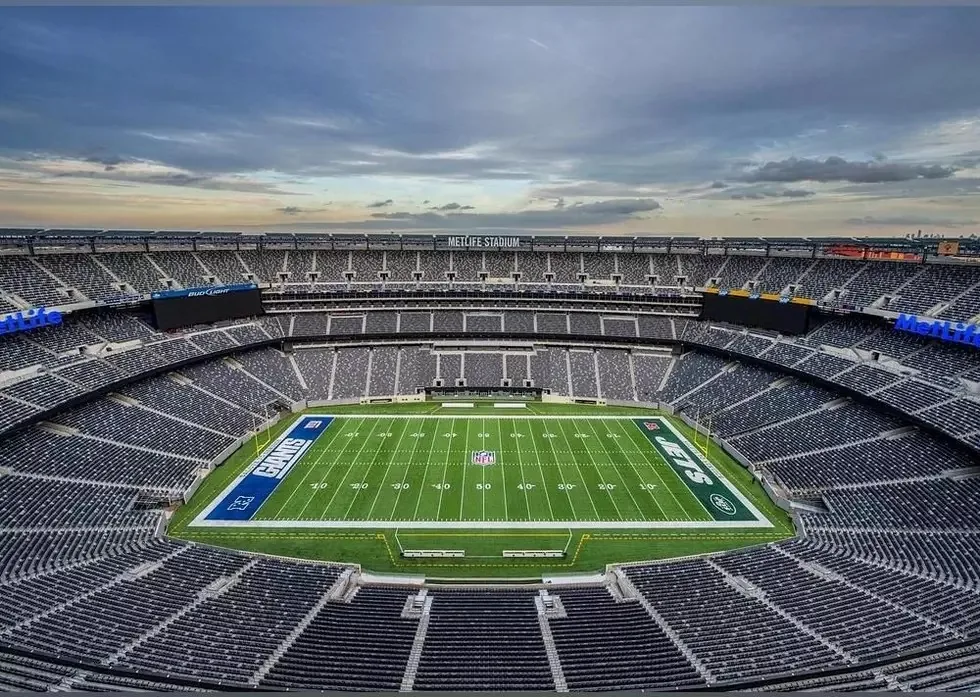
New York New Jersey Stadium: the venue for the 2026 World Cup final

FifaxEditor
2026-07-24
An 80,663-capacity final venue
The 2026 FIFA World Cup final was played in East Rutherford, New Jersey. FIFA listed the tournament capacity as 80,663 and used the event name New York New Jersey Stadium, while the venue is normally known commercially as MetLife Stadium. That naming distinction is standard for major competitions whose commercial rules differ from a stadium's usual sponsorship arrangements. Capacity figures can also vary between events because media positions, hospitality areas, security zones and temporary tournament installations change the number of available seats. The venue opened in 2010 and already possessed the scale, premium facilities and operational experience expected for a global final. Its selection connected the tournament's largest match with the New York metropolitan market, but the physical location remained in New Jersey. Readers planning travel, accommodation or local transport should therefore treat the FIFA event name and the real-world address as complementary information rather than interchangeable labels.
Eight matches from the group stage to the final
The stadium hosted five group matches, one round-of-32 game, one round-of-16 tie and the final. That schedule tested the venue across different levels of demand before the championship match. Group fixtures require rapid turnover between teams and supporter groups, while knockout games increase media interest and the consequences of operational delays. The final adds ceremonies, expanded broadcast activity, security coordination and a larger international audience. The stadium's regular NFL use and its experience with major football events provided an established operating base, but a World Cup still requires tournament-specific overlays and procedures. Repeated use during the event also allowed transport, entry and crowd-flow plans to be tested under live conditions. When evaluating a final venue, capacity is only one part of the decision; organisers also need reliable pitch preparation, team facilities, communications, emergency planning and the ability to move tens of thousands of people safely.
The name and the location are not the same thing
Despite the World Cup event name, the stadium is in East Rutherford, New Jersey, not in New York City. That difference has practical consequences. A hotel described as central New York is not automatically close to the venue, and a route that appears short on a regional map may depend on limited event-day rail or shuttle connections. Visitors should verify the stadium address, the permitted entry gate, the latest public-transport plan and any parking reservation rules for the exact match date. Security perimeters can alter pedestrian routes, while road closures can make ordinary travel estimates unreliable. International visitors should also keep the commercial stadium name available when using local maps and the FIFA event name when consulting tournament material. Clear location wording prevents one of the most common venue-guide mistakes: treating the metropolitan label as if it were the municipality in which the stadium stands.
A venue tested by major international finals
Before the World Cup final, the stadium had staged the 2016 Copa America Centenario final and the 2025 FIFA Club World Cup final, along with that competition's semi-finals, a quarter-final and five group games. More than 560,000 spectators attended its first seven World Cup 2026 matches. That repeated use tested the venue's security, media and high-capacity crowd operations before the largest fixture arrived. Experience matters because a final adds more than another full crowd: it brings ceremonies, additional broadcast positions, international delegations and tighter movement controls around teams and officials. Previous events cannot eliminate every risk, but they allow organisers to refine gate plans, staff deployment, emergency procedures and post-match transport. The stadium's case was therefore based on operational evidence as well as its 80,663 FIFA capacity.
What visitors should verify before travelling
Separate permanent facts from event-day arrangements. The East Rutherford location and FIFA capacity of 80,663 are stable, but rail services, shuttle points, parking restrictions, security perimeters, bag rules and gate times can change by event. Use the World Cup event name when reading FIFA information and the commercial stadium name when checking local maps. Confirm transport for the exact date rather than relying on an ordinary NFL schedule or an older tournament guide. Visitors should also allow time for the final walking route from the transit or parking area, document checks and possible queueing outside the security perimeter. A useful plan includes a return journey, because post-match crowd controls may change where passengers board. These checks are more valuable than a generic estimate of the distance from central New York.
Sources
This independent article is based on FIFA's official coverage. Image rights remain with their respective owners; verify permission and attribution before reuse.